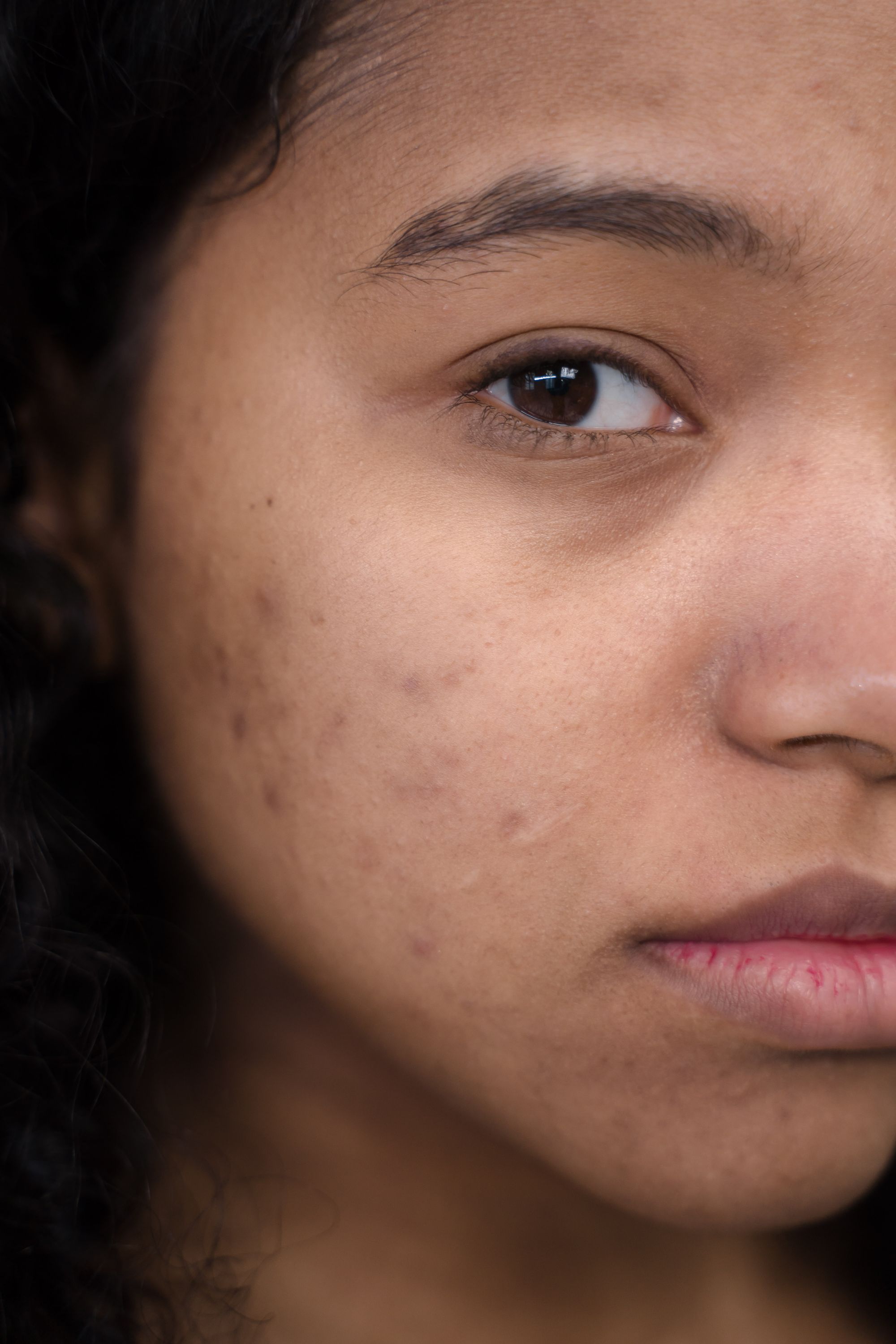
A Collaborative Approach to Skincare
Collaboration between Dermatologists & Estheticians allows for the development of personalized treatment plans tailored to each individual's unique needs. Dermatologists provide medical interventions when necessary, while Estheticians offer targeted treatments & skincare recommendations to support & enhance the results of medical interventions. This personalized approach ensures that patients receive the most effective & appropriate care for their specific skin concerns.
Through collaboration, patients can achieve healthier & more radiant skin, empowering them to feel confident & comfortable in their own skin.
Benefits of Collaboration
- Holistic Approach
- Comprehensive Treatment Plans
- Continuity of Care
- Expedited Healing Process
How It Works
Services Provided by Dermatologists
Patients will first see one of our Dermatologists or Board Certified Physician assistants to discuss any medical interventions that may be necessary, including topical or oral prescription medications to treat acne. The provider will also provide lifestyle guidance & discuss the role that diet & supplements play in the clearing process.
*subject to in-network provider*
Services Provided by Estheticians
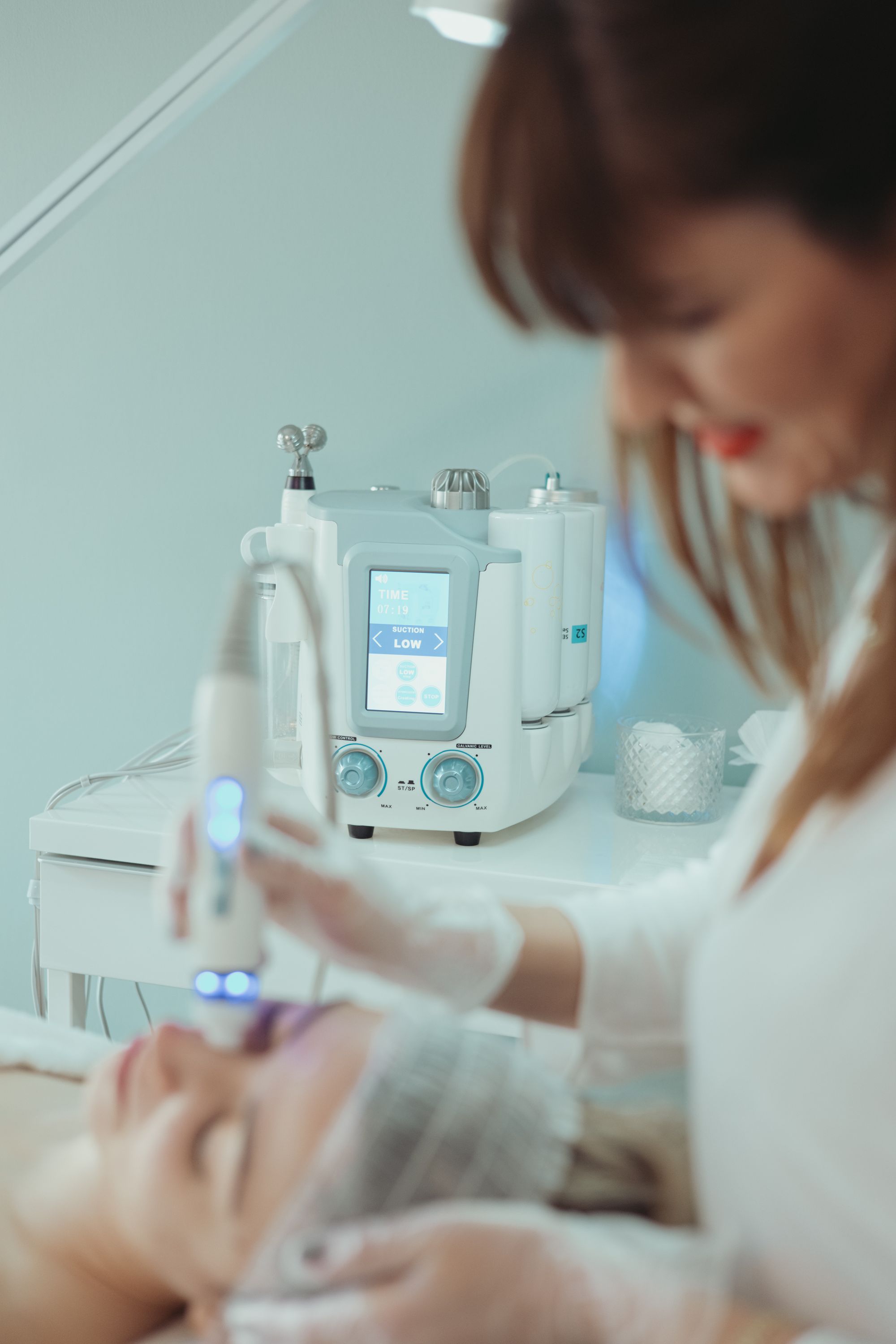
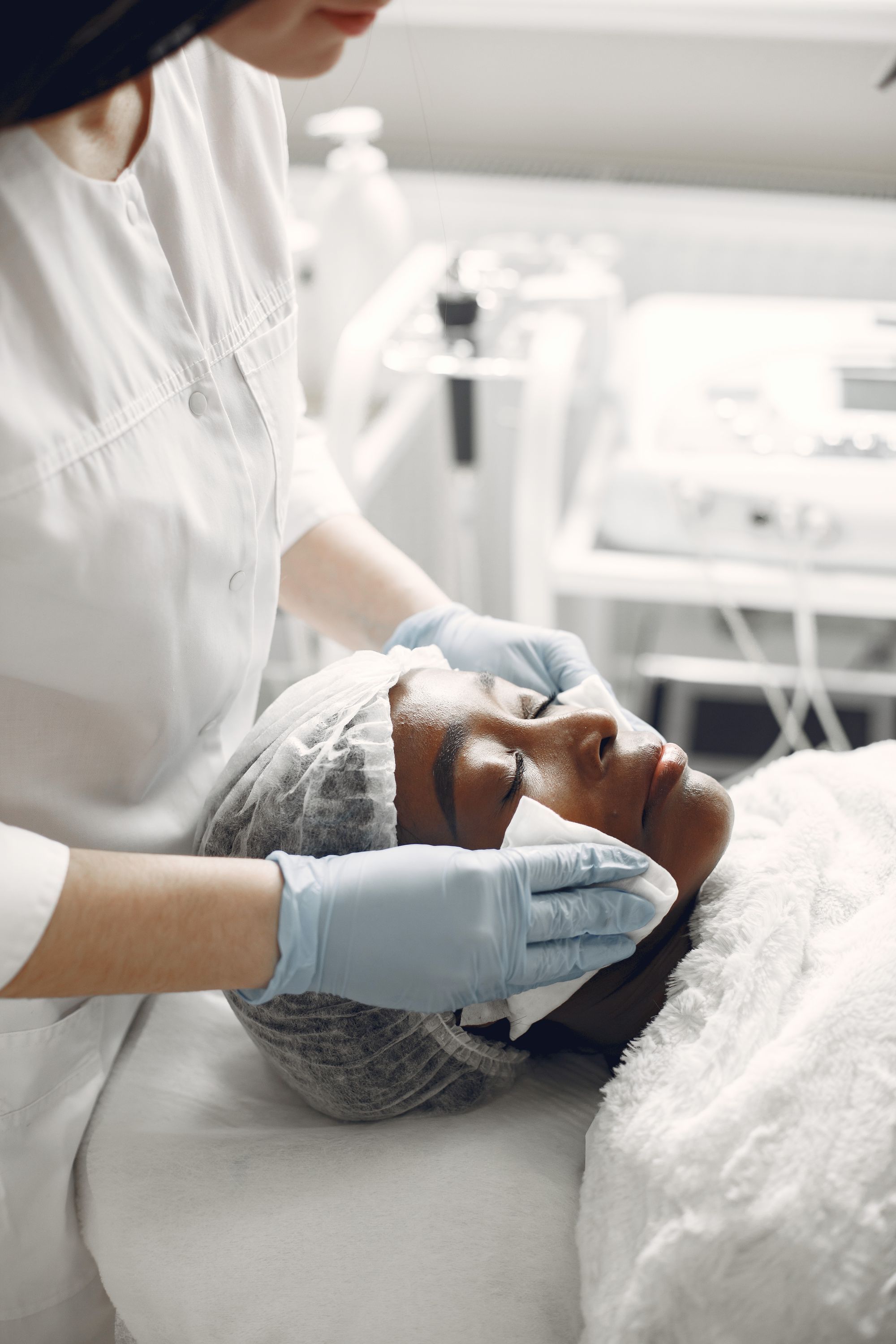
Following your visit with a physician, you will be seen by an Esthetician for an in clinic acne treatment. Our Estheticians are certified acne specialists through Face Reality Skincare, an award winning acne treatment program. They offer targeted treatments & services aimed to enhance the medical treatment plan, expedite healing & improve overall skin health.
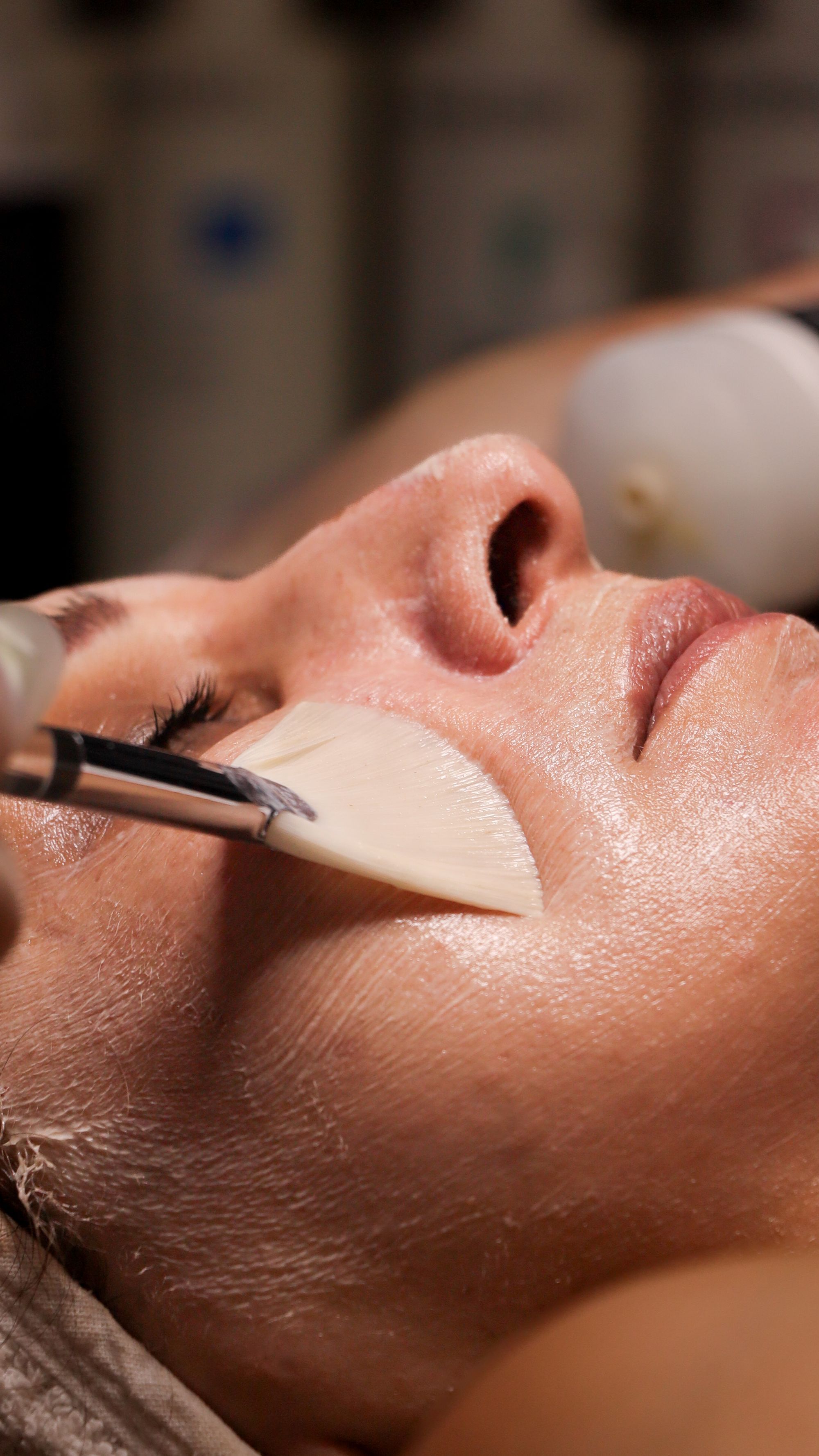
Services include a variety of acne peels & hydrating enzyme treatments. Your Esthetician will incorporate dermatology provider's recommendations into a comprehensive treatment plan. This plan will be tailored to your unique skincare needs & include a personalized product routine.
Services provided by Estheticians will incur additional costs
Questions we hear.
What causes acne?
Acne occurs when hair follicles become clogged with oil (sebum), dead skin cells, and bacteria. Common causes include hormonal changes, genetics, stress, diet, and skincare products that may not suit your skin type. Understanding the root cause of your acne is key to effectively treating it.
How can I tell what type of acne I have?
Acne can present in various forms, including blackheads, whiteheads, papules, pustules, cysts, and nodules. If you're unsure what type of acne you have, scheduling a professional consultation with a skilled aesthetician or dermatologist can help you identify it and determine the best treatment options.
Can diet and lifestyle affect acne?
Yes, diet and lifestyle can play a role in acne development. Foods high in sugar, dairy, or processed ingredients may trigger breakouts in some individuals. Stress, poor sleep, and certain habits can also impact skin health. A balanced diet, hydration, and stress management often contribute to clearer skin.
Is acne only a problem for teenagers?
No, acne can affect people of all ages. While it's common during adolescence due to hormonal changes, adult acne is also prevalent, particularly among women experiencing hormonal shifts related to menstruation, pregnancy, or menopause.
Can acne be treated without medication?
Yes, many cases of acne can be treated effectively with professional skincare treatments, medical-grade products, and lifestyle adjustments. A holistic approach that includes consultations with aestheticians and dermatologists can address your specific needs without relying solely on prescription medications.